A lot of sites start link building too early. The pages being promoted have weak titles, no real internal linking structure, and content that doesn't match what the searcher actually wants, and then the site owner wonders why a link building push isn't moving rankings. Backlinks amplify a page's existing signals. They don't fix a page that's fundamentally not built to satisfy the query it's trying to rank for.
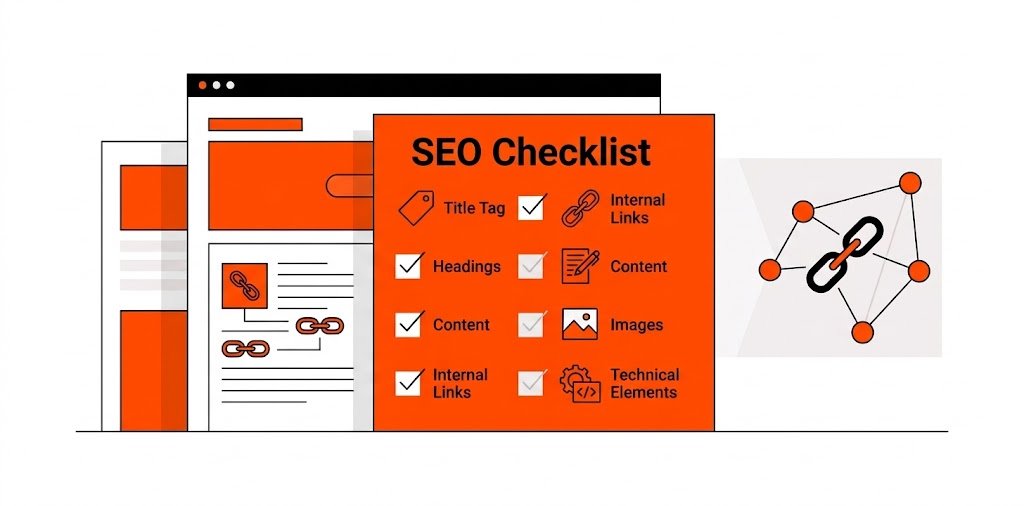
This is the on-page work worth doing first, with actual before/after examples instead of the generic "include your keyword in the title" advice that doesn't tell you anything useful about why it matters or how to do it well.
Title Tags: Specific Enough to Earn the Click
A title tag has two jobs: signal relevance to Google, and make someone want to click it over the other nine results on the page. Most weak titles fail at the second job even when they technically succeed at the first.
Plumbing Services | ABC Plumbing Houston
This isn't wrong exactly. It has the keyword and the location. But it tells the searcher nothing that distinguishes this result from the eight other plumbing companies also using some version of the same title.
Emergency Plumber in Houston, Available 24/7 | ABC Plumbing
The second version keeps the relevant keyword but adds a real reason to click — availability, urgency, something concrete. Someone searching at 11pm with a leaking pipe is going to notice "available 24/7" over a generic services title.
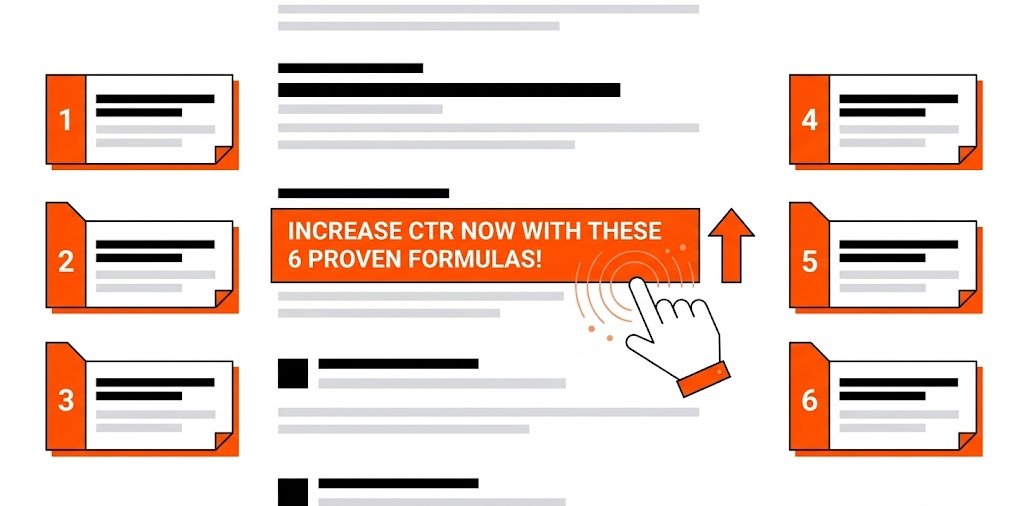
The pattern holds for non-local content too. A title like "SEO Tips" tells a search engine roughly what the page covers and gives a human almost no reason to prefer it. A title like "7 On-Page SEO Fixes That Actually Move Rankings" is more specific and sets a concrete expectation. For a deeper breakdown of how to write titles like these, see our formulas for title tags that actually improve click-through rate.
Headings That Reflect Actual Structure, Not Keyword Placement
A common piece of bad advice is to work the target keyword into every H2 on the page. This produces headings that read like they were written for a bot rather than a person, and it doesn't actually help, since Google is capable of understanding topical relevance without a keyword mechanically repeated in every subheading.
Headings should describe what the section actually contains. If a reader skims just the headings on the page, they should get an accurate sense of the page's structure, not a repeated phrase stuffed in three times for search engines that don't need it repeated that often to understand relevance.
Matching the Page to Search Intent, Not Just the Keyword
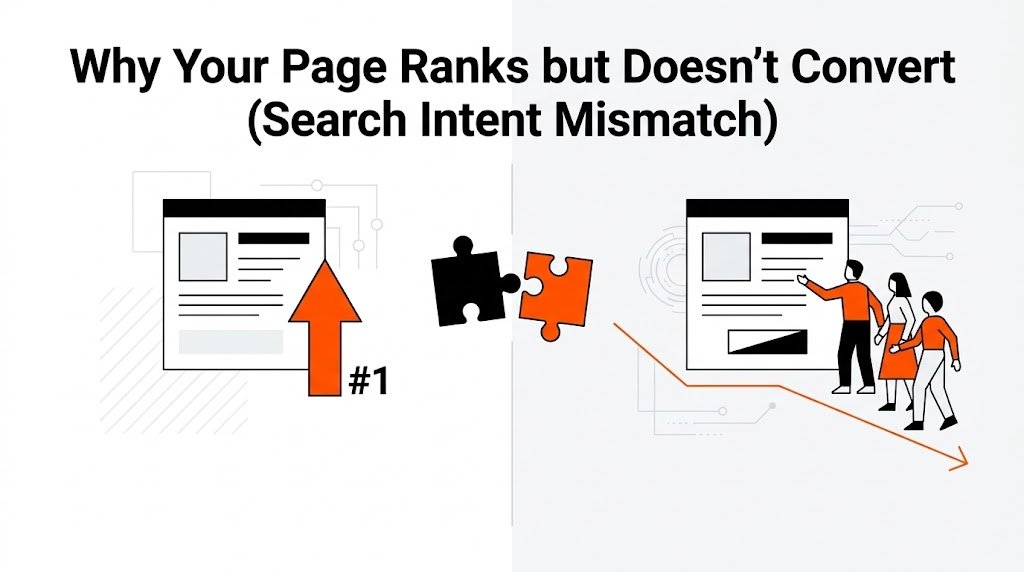
A page can rank for a keyword while still failing to satisfy what the person searching actually wants. This is one of the more common on-page problems, and it's invisible if you're only checking for keyword presence rather than thinking about intent — the same gap we cover in depth in our guide to why your page ranks but doesn't convert.
Take a page targeting "how much does a water heater cost." If the page is a long article about water heater brands, installation history, and general maintenance tips, with the actual price information buried in paragraph twelve, it's mismatched to intent even if the keyword appears everywhere. The searcher wants a number, or at least a price range, near the top of the page.
A 1,500-word article covering water heater types, energy efficiency ratings, and brand comparisons, with pricing mentioned briefly near the end.
The page opens with a clear price range and what affects it — tank versus tankless, unit size, installation complexity — then moves into the more detailed comparison content afterward for readers who want it.
Fixing intent mismatch usually means reordering existing content more than writing new content. The information might already be on the page. It's just buried under material the searcher didn't come for.
Meta Descriptions That Describe, Not Sell
Meta descriptions don't directly affect rankings, but they affect click-through rate, which matters for the traffic a ranking actually produces. The common mistake is writing them like ad copy, full of vague promises, instead of describing specifically what the page covers.
Looking for the best plumbing services in Houston? We offer top-quality solutions for all your plumbing needs. Contact us today!
Emergency plumbing repair in Houston, drain cleaning, water heater installation, and leak detection. Licensed, insured, and available 24/7.
The second version tells the searcher exactly what services are covered before they click, which means the people who do click are more likely to be the right fit, and less likely to bounce immediately because the page didn't match what the description implied.
Internal Linking That Reflects Real Relationships Between Pages
Internal links should help users and search engines understand relationships between pages, not just distribute page authority around the site. A lot of sites either skip internal linking almost entirely or do it mechanically, linking the same three pages from every footer regardless of relevance.
A blog post about drain cleaning has no internal links to the drain cleaning service page, despite being the most obviously relevant page on the entire site to link to.
The blog post links naturally within the body text to the drain cleaning service page where it makes sense contextually, and also links to a related post about signs of a clogged sewer line, building a small cluster of related content around the topic.
The test for a good internal link is whether it would make sense to a person reading the page, not just whether it's technically relevant. A link inserted awkwardly mid-sentence purely to hit an internal linking quota reads as exactly that, and doesn't help either the reader or the search engine understand the relationship as clearly as a link placed where it naturally belongs.
Image Alt Text That's Actually Descriptive
Alt text gets treated as another place to stuff a keyword, which misses what it's for. Alt text exists to describe an image for people using screen readers, and secondarily gives search engines context about image content. Neither purpose is served by generic keyword repetition.
alt="plumber Houston plumbing services Houston TX"
alt="Plumber repairing a tankless water heater under a kitchen sink"
The second version actually describes the image. If the image is a photo of a plumber replacing a water heater, the alt text should say that, which happens to also be more relevant to search engines than a string of location keywords with no descriptive value.
URL Structure That Stays Clean and Readable
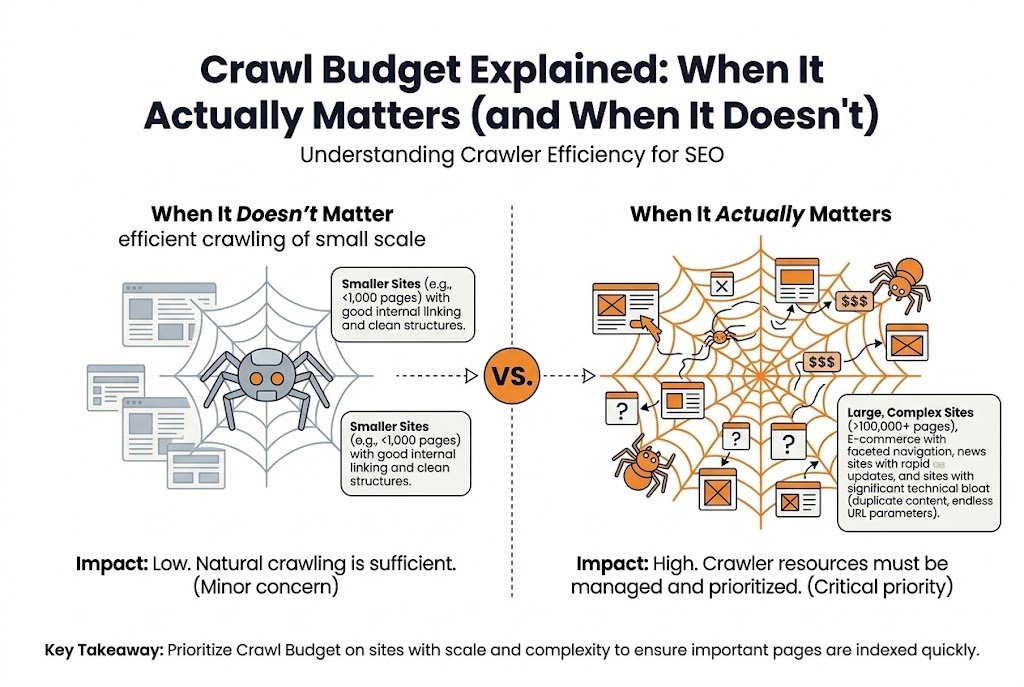
URLs with unnecessary parameters, dates, or category depth make a site harder to navigate and slightly harder for search engines to understand at a glance, though this matters less than the other items on this list — which is exactly the kind of prioritization our technical SEO audits work through.
yoursite.com/blog/2024/03/15/category-plumbing/post-id-4471/water-heater-guide
yoursite.com/water-heater-installation-cost
Shorter, descriptive URLs are easier to share, easier to read in a search result, and don't carry information — publish dates especially — that can make content look outdated even when it's been updated since.
Content Depth vs. Content Padding
More content is not always the answer, and this is worth saying directly because a lot of on-page advice defaults to "make it longer." A page that answers the query completely in 600 words doesn't need to be padded to 2,000 words to seem more thorough. Padding often makes a page worse, burying the useful information under filler paragraphs that exist purely to hit a word count.
The better question is whether the page covers what someone searching that term actually needs to know, not whether it hits an arbitrary length. Some queries genuinely need depth — a comparison of five water heater types deserves more than a couple of paragraphs. Others need to be direct and get out of the way — a page answering "what size water heater do I need" doesn't need three sections of brand history first.
Putting It Together Before You Build Links
None of this replaces the value of backlinks. Authority still matters, and a large backlink profile does not necessarily mean a strong authority profile, but relevant, earned links from real sites still carry real weight. The point is sequencing. A page with a vague title, mismatched intent, no internal links, and keyword-stuffed alt text won't convert the value of new backlinks nearly as well as a page that's already doing its on-page job properly.
Working through titles, headings, intent match, and internal linking first means that when link building efforts do start paying off, the pages receiving that authority are actually positioned to make use of it, rather than link equity flowing into pages that still have basic structural problems working against them.
If you'd rather have a team audit and fix these on-page issues for you, that's exactly what our on-page SEO service is built for.
Related Guides
More from the same part of the roadmap — same category first, newest first.